

Leadership | Entrepreneurship | Management | Planning | Strategy | Writing for Finance | Development finance expert | International speaker
October 11, 2025
Nonprofit organizations (NPOs) increasingly form networks and alliances to address complex societal challenges and enhance their collective impact, yet this collaborative approach brings significant coordination and leadership challenges. Academic research demonstrates that effective leadership, based on shared values, is fundamental to harnessing the strengths of diverse organizations within these alliances (Akerboom, 2024; Chen & Graddy, 2008; Brown, 2018).
Forming alliances enables NPOs to leverage resources, foster innovation, and improve service reach. Successful collaborations are characterized by mission alignment, mutually beneficial objectives, and clear governance frameworks that build trust among partners (Chen & Graddy, 2008). However, these alliances face challenges including divergent organizational cultures, competition for resources, and communication barriers (Salman, 2023; NetSuite, 2024). Differences in strategic priorities and disparity in organizational capacity can hinder collective actions, demanding careful selection of partners and a commitment to coordination (Giving Compass, 2025).
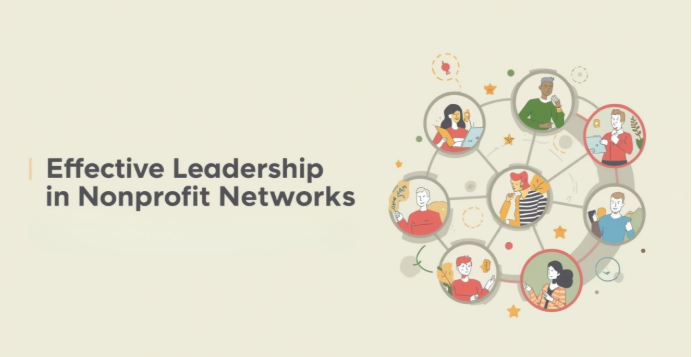
Recent studies emphasize that leadership in NPO networks must transcend traditional hierarchical models, relying instead on facilitative and distributed approaches rooted in core organizational values (Akerboom, 2024; Brown, 2018; Salman, 2023). Effective leaders function not only as visionaries and consensus builders but also as ethical stewards, guiding their alliances through complex and uncertain environments (Brown, 2018). When leadership is participatory and values-driven, alliances are more likely to be resilient and to achieve sustainable outcomes (Salman, 2023; Akerboom, 2024).
For nonprofit alliances to thrive, leadership must ensure both effective coordination and a commitment to values that foster trust and collective purpose. As the nonprofit sector navigates increasingly complex social demands, the cultivation of values-based leadership stands out as a vital challenge and imperative.
References
Akerboom, M. (2024). Leadership in Public Sector Interorganizational Networks. Public Policy and Management, 7(4).
Brown, W. (2018). Exploring the Impact of Shared Leadership Styles and Organizational Change in Nonprofit Alliances. Walden Dissertations and Doctoral Studies, 4599.
Chen, B., & Graddy, E. A. (2008). Exploring Perceived Effectiveness of Nonprofit Lead-Organization Networks for Social Service Delivery. Center for Nonprofit Strategy and Management Working Papers.
Salman, S. (2023). The Key Role of Organizational Values in Nonprofit Collaboration. University of San Francisco Theses.
NetSuite. (2024). 4 Challenges Nonprofits Face in 2025.
Giving Compass. (2025). Strategic Collaborative Nonprofit Partnerships: 3 Models That Drive Impact.

