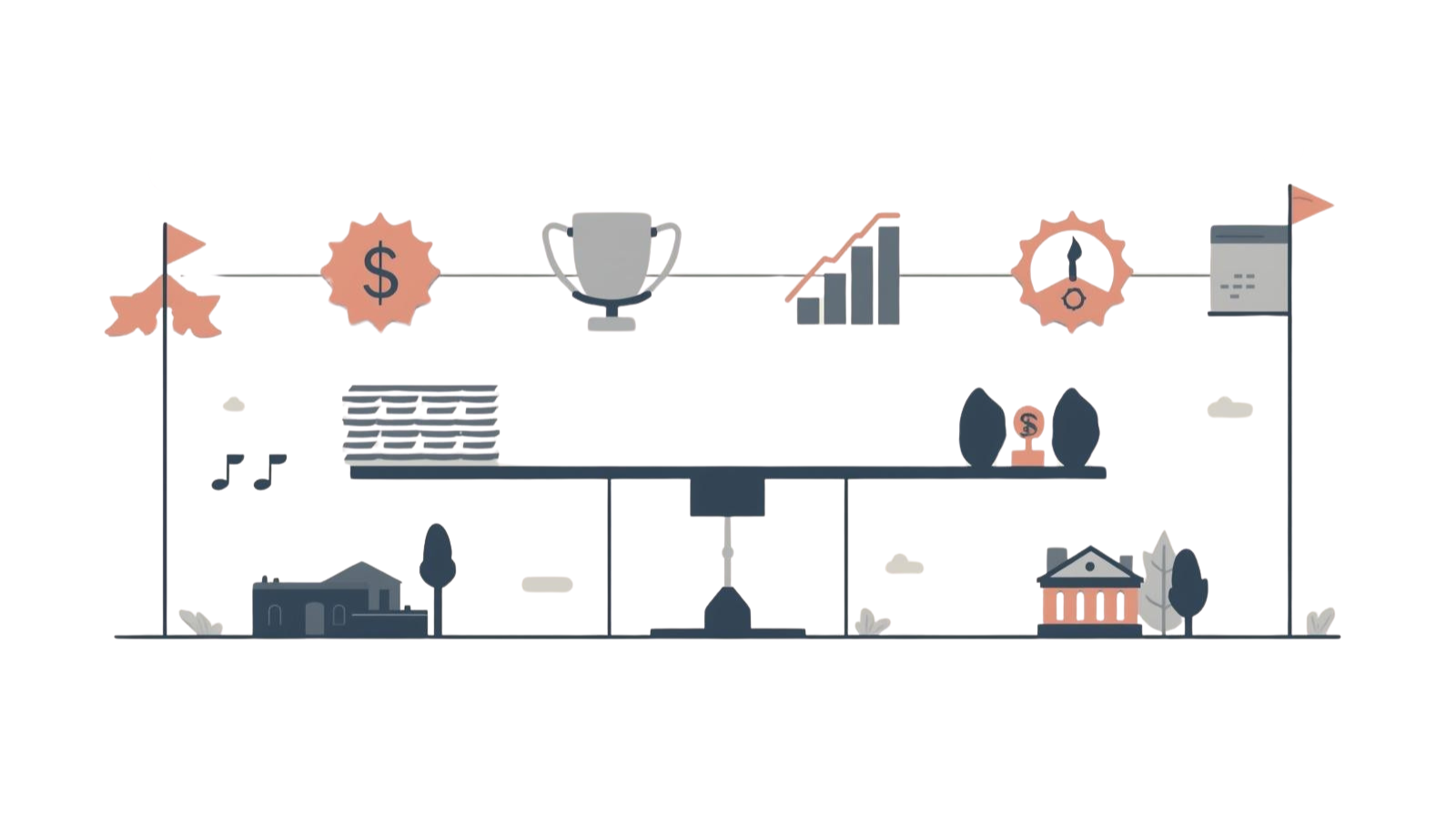
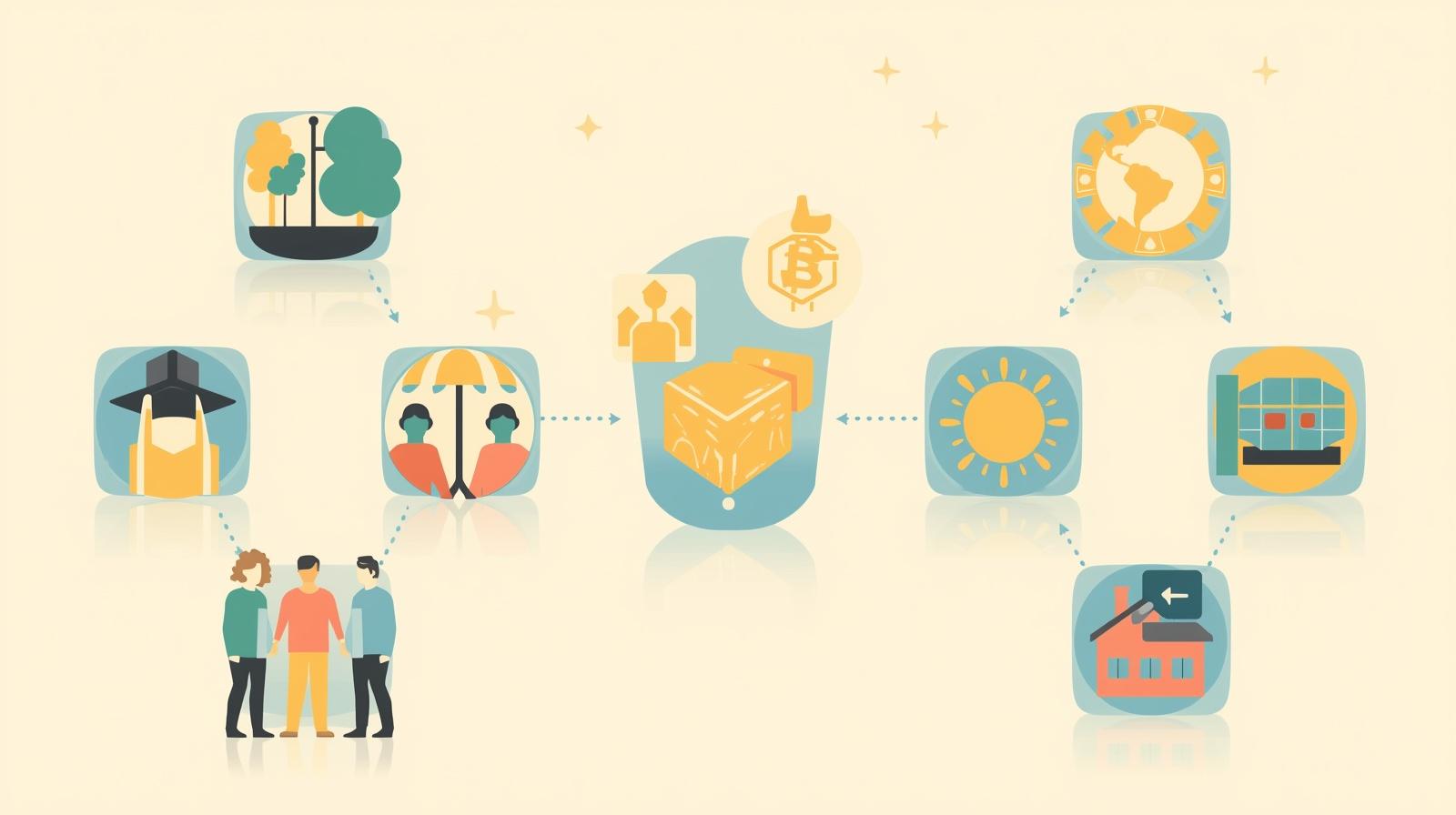
O atual panorama de financiamento das organizações sem fins lucrativos (NPO) caracteriza‑se por uma reconfiguração estrutural […]
Ao olhar para 2026, muitos analistas descrevem um mundo marcado menos por um regresso suave à […]
Capacity building is widely understood as a process through which organisations strengthen their abilities to achieve their mission sustainably, by improving leadership, systems and skills rather than only expanding projects (Council of Nonprofits, 2025)
Is your problem funding? Then the Guide to Funding Opportunities for Society Organisations [...]
The World Forum Favelas emerges at a crucial moment for global civil society, as debates over inequality, climate justice and democratic backsliding increasingly intersect in the everyday lives of residents of informal settlements (Cities Alliance, 2022; World Resources Institute, 2025). Between 11 and 14 December 2025, the city of Rio de Janeiro, Brazil, is hosting the second edition of this international forum,
In nonprofit organisations (NPOs), the capacity to react under the unexpected is often romanticised as an innate quality belonging to a few “natural crisis heroes”, but contemporary research paints a different picture. Studies on nonprofit organisational resilience show that adaptive capacity rests on interconnected, developable dimensions such as culture, leadership, people, tactical administration and planning, rather than on fixed personal traits (Singh, 2022).
the integration of Artificial Intelligence (AI) and Information Technology into non-profit organisations (NPOs) has initiated a paradigm shift in how impact is measured, evaluated, and communicated. In an ever-evolving social landscape, NPOs are increasingly tasked with demonstrating tangible outcomes and advancing the United Nations Sustainable Development Goals (SDGs).
A antiga estagiária da WeCare, Sílvia Tavares Moreno, acaba de apresentar um estudo aprofundado sobre o […]
In the evolving landscape of global development, non-profit organizations (NPOs) and civil society actors play a pivotal role in catalyzing sustainable progress aligned to international goals. Central to their enduring impact is the understanding and operationalization of the three core pillars of sustainability—environmental, social, and economic
Social innovation hubs and clusters play a foundational role in connecting diverse actors, driving collaboration, and achieving impactful outcomes for sustainable development. As highlighted in academic research, innovation hubs serve as central points for managing activities, knowledge flows, and collective action within regional ecosystems.